Finding a Reliable Used BMW 316d Engine Near Me: The Mistakes I Made and What I Do Differently Now
Finding a Reliable Used BMW 316d Engine Near Me: The Mistakes I Made and What I Do Differently Now
- March 28, 2026
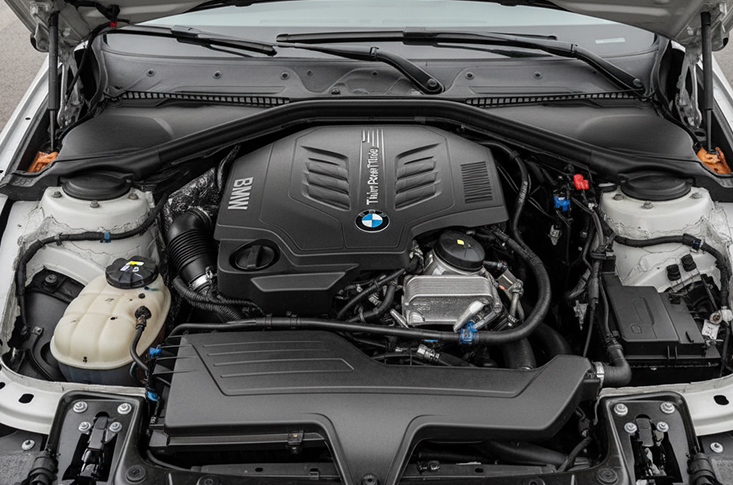
Why I Trusted the Wrong Seller When Looking for a Used BMW 316d Engine for Sale in the UK
When my BMW 316d started burning oil and losing power on the motorway, I did what most people do — I panicked and searched for a used BMW 316d engine online without really knowing what I was looking for. The first seller I found appeared on the first page of results, had a decent-looking website, and quoted me a price that seemed reasonable. I didn't ask for verified mileage documentation, I didn't request any service history records, and I certainly didn't think to run an HPI clearance check on the donor vehicle. Within three weeks of fitting, the replacement engine developed a knock that turned out to be a spun bearing — a fault that existed before it ever arrived at my door. It was an expensive lesson, and one I wish I'd avoided.
What I should have done was take my time and properly vet the supplier. The engine for sale in UK market is enormous, and while that means plenty of choice, it also means plenty of risk. Reputable suppliers will always provide documentation — mileage records, the condition of the donor vehicle, and often a written buyer protection guarantee. Trustpilot ratings and genuine customer testimonials are worth reading in detail, not just glancing at the star rating. I've since learned that the best suppliers are transparent about where their stock comes from and won't hesitate to answer technical questions. If a seller goes quiet when you ask about compression testing results or the condition of the engine block, walk away.
Understanding the Difference Between a Reconditioned, a Rebuilt, and a Remanufactured BMW 316d — Because It Actually Matters
One of the biggest mistakes I made early on was assuming all reconditioned engines were the same thing. I'd see listings for a rebuilt, a remanufactured, and a reconditioned BMW 316d engine side by side and simply pick the cheapest. The truth is, these terms describe very different levels of work. A reconditioned engine typically involves stripping, cleaning, and replacing worn components — things like oversized pistons and rings, crankshaft grinding, and cylinder head resurfacing — before reassembly to OEM (Original Equipment Manufacturer) tolerances. A remanufactured engine goes even further, often meeting British Engineering Standards (BS EN) and involving full engine block honing, new internal combustion assembly components, and rigorous testing before despatch.
A rebuilt BMW 316d, on the other hand, can mean almost anything depending on who's done the work. Some rebuilders are fully certified technicians with proper engine hoists, specialised tools, and access to genuine OEM parts. Others are working out of small units replacing only what's visibly broken. When I finally understood this distinction, I stopped shopping purely on price and started asking the right questions — what machining work had been carried out, were the tolerances and clearances within spec, had the engine passed compression testing, and was there a proper warranty claim procedure in place? The answers told me far more about the quality of the unit than the listed price ever could.
How I Finally Found a Trustworthy Replacement Engine Supplier Near Me — and What the Search Actually Involved
After my first bad experience, I approached the search for a replacement BMW 316d engine very differently. Rather than searching broadly and clicking the first result, I specifically looked for a replacement engine supplier near me with a physical address I could verify, a working phone number, and staff who could speak knowledgeably about the 316d's 2.0-litre diesel unit. I asked about their sourcing process, whether they used recycled vehicle components (green parts) from written-off low-mileage vehicles, and whether they offered a secure checkout or escrow-style payment protection. These aren't unusual requests — any legitimate supplier should handle them without hesitation.
The search itself took longer than I expected, but it was worth every hour. I found that engine sales near me results varied wildly in quality — some were local scrap dealers with no reconditioning capability whatsoever, while others were proper specialists with dedicated workshop facilities. I also discovered that searching for refurbished engines near me rather than just used ones returned better-quality results in my area, as suppliers using that terminology tended to be offering units that had gone through at least some degree of professional preparation. The supplier I eventually chose provided fixed-price quotes, was upfront about VAT inclusive pricing, and explained their surcharge exchange policy for returning my old core unit — all signs of a professional, well-organised operation.
What Does a Reconditioned Engine Actually Cost? Breaking Down Reconditioned Engine Prices in the UK Honestly
Price transparency is something the reconditioned engines UK market has historically been poor at, and it caught me out more than once. When I started looking seriously at reconditioned engine prices, I found that quotes ranged from under £500 to well over £2,000 for what appeared to be similar units. The difference, I came to understand, lay almost entirely in what the price actually included. A headline figure from a budget supplier might cover just the bare engine, whereas a properly itemised quote from a quality supplier would include ancillary parts such as a new water pump and timing belt, fluid flush and refill (coolant and oil), and sometimes even diagnostic trouble code (DTC) scanning post-installation. Once you add labour rates per hour on top of a cheap engine, the supposed saving often disappears entirely.
I now always ask for a full breakdown before agreeing to anything. A trustworthy supplier offering engine supply and fitting should be able to provide a clear reconditioned engines price list UK that separates the cost of the unit itself from fitting charges, parts, and VAT. Understanding cost of reconditioned engine against market value depreciation of your vehicle is also important — there's little sense in spending £1,800 on a perfectly reconditioned engine for a car worth £1,200. The reconditioned engine price sweet spot usually sits somewhere between a basic used unit and the inflated cost of buying new, and when the work has been done properly to spec, it represents genuinely strong value. Always compare at least three fixed-price quotes before committing.
Should You Have a Second Hand BMW 316d Engine Supplied and Fitted, or Source and Fit Separately?
This is a question I wrestled with for a long time. My instinct was to source the engine myself — I thought I'd get a better deal by finding a second hand BMW 316d engine independently and then taking it to a local garage for fitting. In practice, this created more problems than it solved. The garage I used wasn't familiar with the specific ECU re-programming requirements of the 316d after an engine swap, and when diagnostic trouble codes appeared post-fitting, there was a dispute over who was responsible. Because I'd supplied the engine myself, the garage washed their hands of any issues with the unit, and the engine supplier argued the problem was fitting-related. I was stuck in the middle with no recourse.
Having a BMW 316d supplied and fitted through a single specialist — or at minimum using an engine supply and fit near me service where one company handles both — eliminates that grey area entirely. The fitting team knows the engine, they're accountable for the whole job, and if something goes wrong, there's one point of contact. VOSA approved garages offering engine supply and fitting as a combined service will often include a recovery service provision and post-fitting diagnostics as standard. The engine replacement UK market has matured significantly in recent years, and the best operators now offer genuinely comprehensive packages. Yes, you might pay slightly more than sourcing separately, but the peace of mind — and the warranty protection — is well worth the difference.
Where to Buy Engines, You Can Actually Trust: The Checklist I Use Every Time Now
After everything I went through, I put together a proper process for finding the best place to buy engines — one I now follow without exception. First, I verify that the supplier has a genuine physical presence, not just a website. Second, I confirm they can provide full documentation on the unit: donor vehicle condition report, verified mileage documentation, and ideally a record of what reconditioning work has been carried out. Third, I check whether they're listed on Trustpilot or a comparable review platform and read through recent feedback carefully — not just the five-star reviews, but also how the company responds to complaints. Fourth, I ask specifically whether the engine has been compression tested and whether OEM parts were used during any rebuild work.
For anyone currently trying to find engine for my car or searching for where to buy used engines and feeling overwhelmed by the options, my honest advice is to slow down. Whether you're looking to buy new engines, a recon engine, or a fully remanufactured BMW 316d unit, the fundamentals of a good purchase are the same: documentation, accountability, and a clear warranty claim procedure. The 2nd hand engine market in the UK is competitive, and there are excellent suppliers out there — but they're not always the ones ranking highest in search results or quoting the lowest prices. Take the time to ask questions, compare reconditioned engines price list options properly, and choose a supplier who makes you feel informed rather than pressured. That, more than anything else, is the lesson I had to learn the hard way.
Categories
- Automotive News
- BMW
- saloon
- BMW 316d
- 7 series
- BMW 120d
- BMW 535d
- BMW 318d
- BMW 730D
- Bmw 530d
- BMW X6
- BMW 116i
- BMW 320d
- BMW M5
- BMW 5-Series
- BMW 325d
- SUV
- BMW 118D
- 1-series
- BMW 6-Series
- BMW 320i
- bmw 1 series
- BMW Mini
- BMW 116d
- Bmw Z series
- BMW X SERIES
- BMW 3-Series
- BMW 325
- BMW NEWS
- BMW 318i
- BMW i8
- BMW 330ci
- BMW engine
- BMW M power
- BMW 635d
- BMW 335d